Changing condition
A key component supplier signals a two-week delay. Production slots, inventory buffers, and committed delivery dates are now in tension.
VEQSA Optimization Intelligence™
Optimization Intelligence™ is VEQSA's modular system-level optimization capability designed to continuously pursue improved overall outcomes across interconnected decisions, objectives, constraints, resources, and changing operating conditions.
Example Decision Environment / Regional production and supply
Objectives
Approved operating information
Constraints
Feasible alternatives
Relative trade-offs| Alternative | Cost | Continuity | Service |
|---|---|---|---|
| AHold current plan | Lower | At risk | Reduced |
| BResequence lines, partial alternate sourcing | Moderate | Protected | Protected |
| CFull expedited alternate sourcing | Higher | Protected | Protected |
Recommendation
Alternative B
Moderate added cost in exchange for protected continuity and committed service.
Human review
Awaiting operations lead
One example Decision Environment shown in a production and supply setting. The same OI framework can be configured across industries and decision environments. Illustrative and conceptual. Not a depiction of the production interface, architecture, or methods.
The problem
Models, agents, applications, planning systems, machines, and people each pursue their own objectives within their own constraints. Each can perform well on its own terms while the overall outcome falls short.
Outcomes an enterprise may prioritize
Operating cost
Weigh the cost consequences of connected choices together.
Resource use
Allocate shared capacity, people, and assets across competing demands.
Continuity
Keep operations within constraints when conditions shift.
Responsiveness
Re-evaluate quickly when demand, supply, or priorities change.
Illustrative objectives, not reported customer results.
The solution
A modular capability that operates across heterogeneous enterprise systems, pursuing improved overall outcomes rather than local ones.
Consider interacting decisions from models, agents, applications, planning systems, machines, and people together.
Pursue improved overall outcomes across objectives, constraints, and shared resources.
Reassess as operating conditions, priorities, and resources change.
Work inside boundaries the enterprise defines, with accountable human oversight.
Connect observed results back to the decisions that produced them.
Define
One decision, its objectives, and its constraints
Evaluate
OI compares candidate choices and trade-offs
Review
People approve, adjust, or decline the recommendation
Record
Actions and observed outcomes are retained as evidence
Reassess
Changed conditions trigger a fresh evaluation
Where it applies
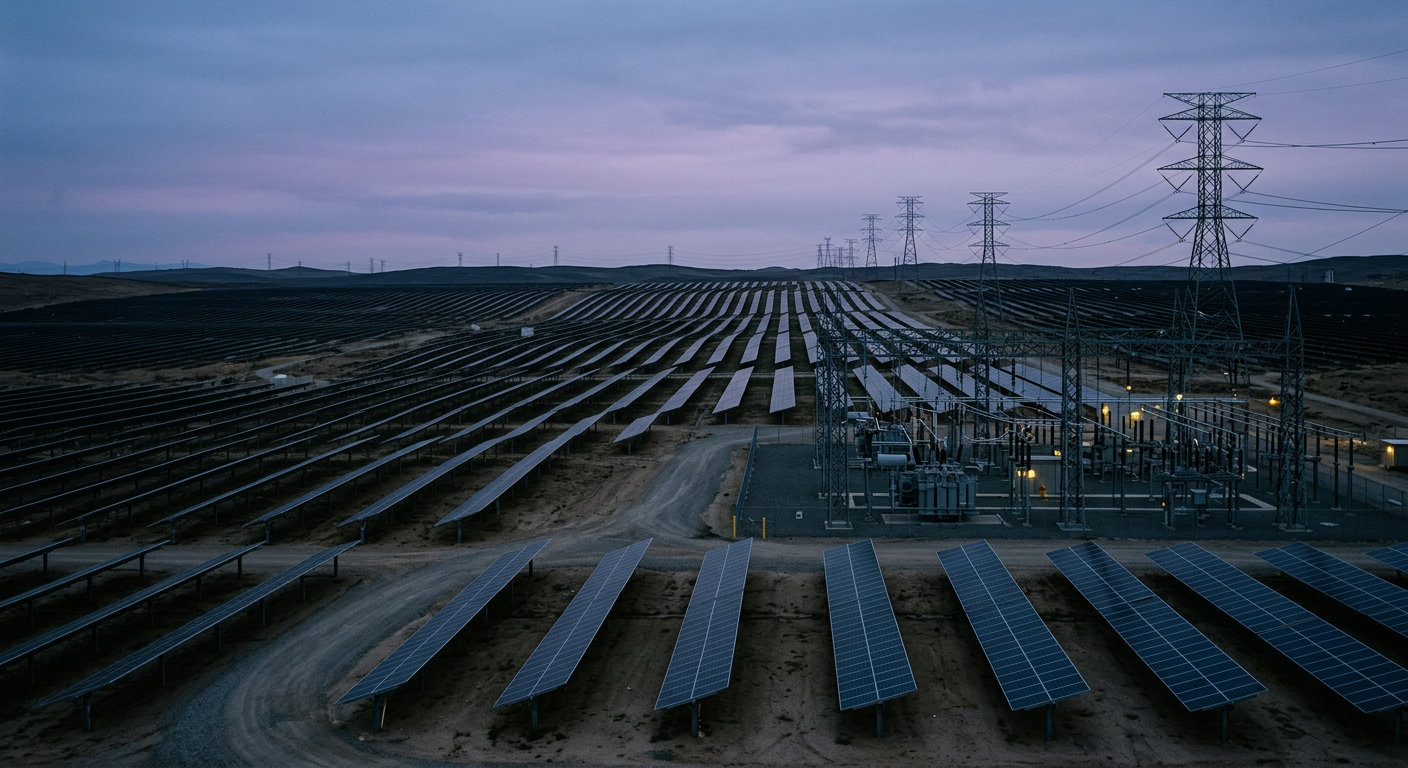
Generation, storage, and grid commitments balanced as demand and supply conditions shift.
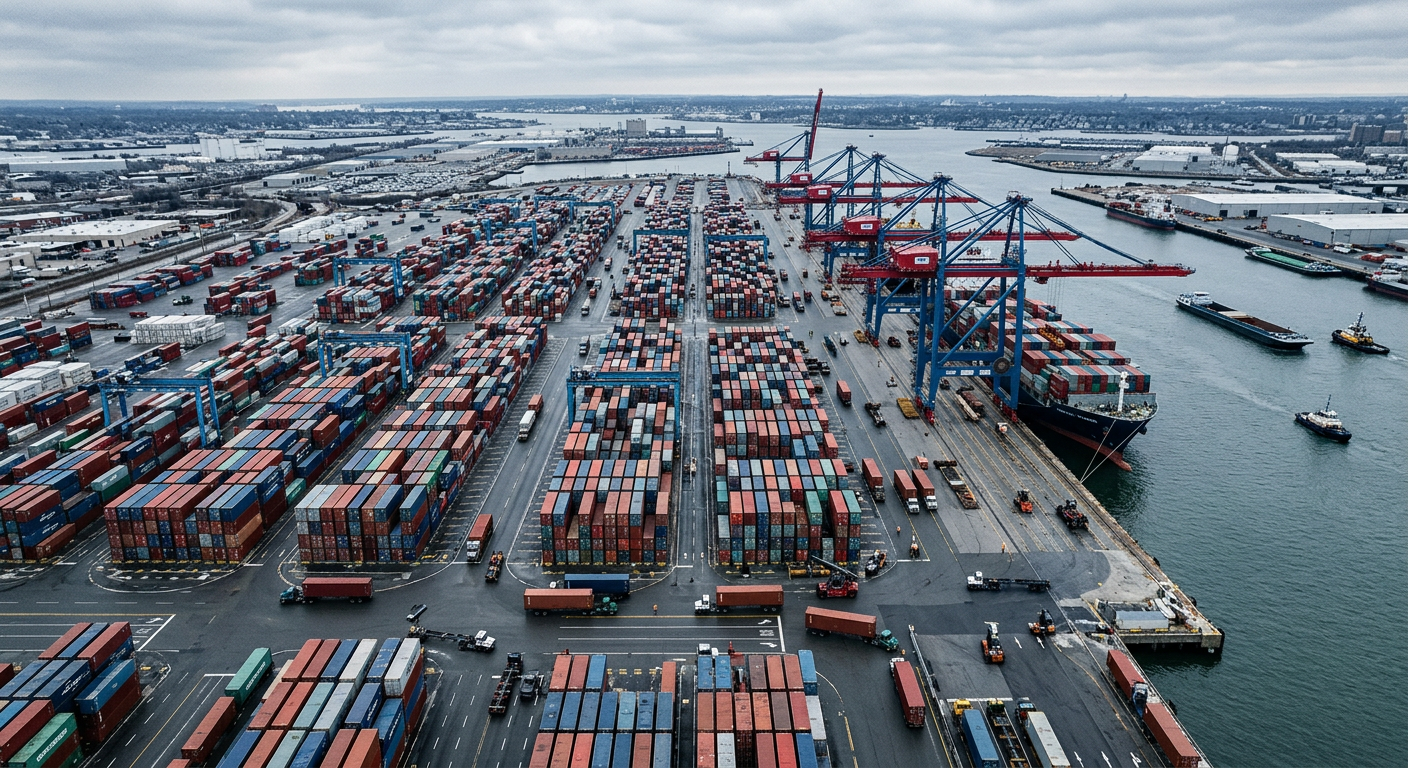
Capacity, routing, and inventory decisions coordinated across a connected network.

Line scheduling, materials, and delivery commitments considered together.
Illustrative example
An illustrative scenario showing the shape of a reviewed, system-level decision. It does not describe a customer deployment or a measured result.
Changing condition
A key component supplier signals a two-week delay. Production slots, inventory buffers, and committed delivery dates are now in tension.
Choices considered together
Review step
OI presents a recommended combination with its trade-offs against cost, continuity, and service. The operations lead approves, adjusts, or declines it, and the outcome is recorded.
Illustrative only. No performance results are implied.
Built for enterprise use
Working Optimization Intelligence™ technology available for bounded enterprise evaluation, as the entry point to a licensed Decision Environment.
The path to adoption
Evaluation establishes value on a bounded scope. The commercial unit is a Licensed Decision Environment.
Evaluate Integrate License Expand
A system-level outcome limited by interacting models, agents, applications, planning systems, machines, and people.
The entry point. Value established against an agreed baseline, within a bounded scope and timeframe.
OI connected to the relevant systems and approved operating information, under agreed governance.
The commercial unit: OI configured around a defined operating problem, objectives, constraints, approved information, authority boundaries, and success measures.
Additional Decision Environments licensed as value is established.
Evaluation is not the product. It is how value is established before a Decision Environment is licensed.
Insights
A bounded enterprise evaluation demonstrates value against an agreed baseline. Licensing a Decision Environment is how enterprises adopt Optimization Intelligence™.